
CFE | Macroalgae and Halophytes Approach to Tackle Antibiotic Resistance

Updated: Jan 27
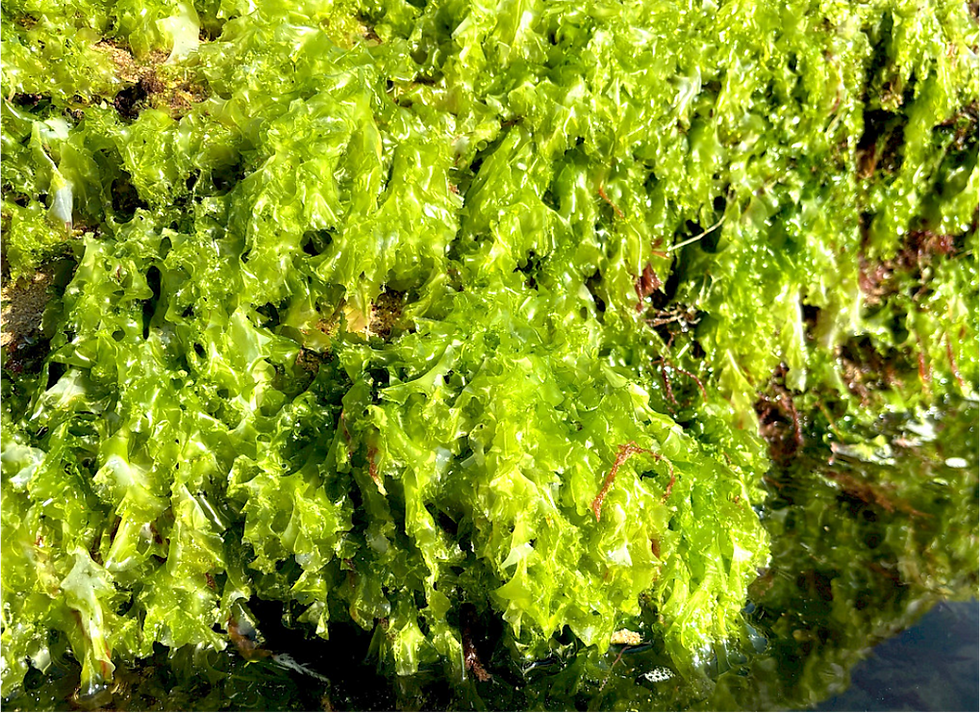
A groundbreaking research project titled “Exploiting the power of Portuguese macroalgae and halophytes: a promising approach to tackle antibiotic resistance” is underway at the Centre for Functional Ecology of the University of Coimbra. Coordinated by Elsa Teresa Rodrigues, with the participation of researchers Isabel Henriques and Miguel Pardal, this project aims to address the urgent global challenge of antibiotic resistance.
Addressing the Antibiotic Resistance Crisis
With the alarming rise in antibiotic resistance, the World Health Organization emphasizes the need for innovative solutions. This research seeks to explore natural compounds from Portuguese macroalgae and halophytes — plants thriving in saline environments along Portugal’s extensive coastline.
Harnessing Nature’s Antimicrobial Properties
The unique biochemical properties of coastal flora are central to this investigation. These plants produce secondary metabolites with antimicrobial activity, particularly when exposed to environmental stressors such as high salinity. By leveraging these natural resources, the team aims to identify compounds that could contribute to new strategies against resistant bacteria.
Rigorous Evaluation and Testing
Researchers will conduct detailed evaluations of crude extracts from Portuguese macroalgae and halophytes using in vitro bioassays with antibiotic-resistant bacteria. The rigorous testing process is designed to identify species with the greatest potential for antimicrobial activity, which may lay the foundation for the development of new antibiotics.
This project aligns with Portugal’s National Strategy for the Sea (2021–2030) and contributes to ecosystem restoration, scientific advancement, health promotion, and sustainable development. It is also directly connected to the United Nations Sustainable Development Goals, especially SDG 3 (Good Health and Well‑Being) and SDG 14 (Life Below Water).


Os Objectivos de Desenvolvimento Sustentável (ODS), também conhecidos como Objectivos Globais, foram adoptados pelas Nações Unidas em 2015 como um apelo universal à ação para acabar com a pobreza, proteger o planeta e garantir que, até 2030, todas as pessoas gozem de paz e prosperidade.


